Examining STORM X’s Native COB Wide Flood Output Design
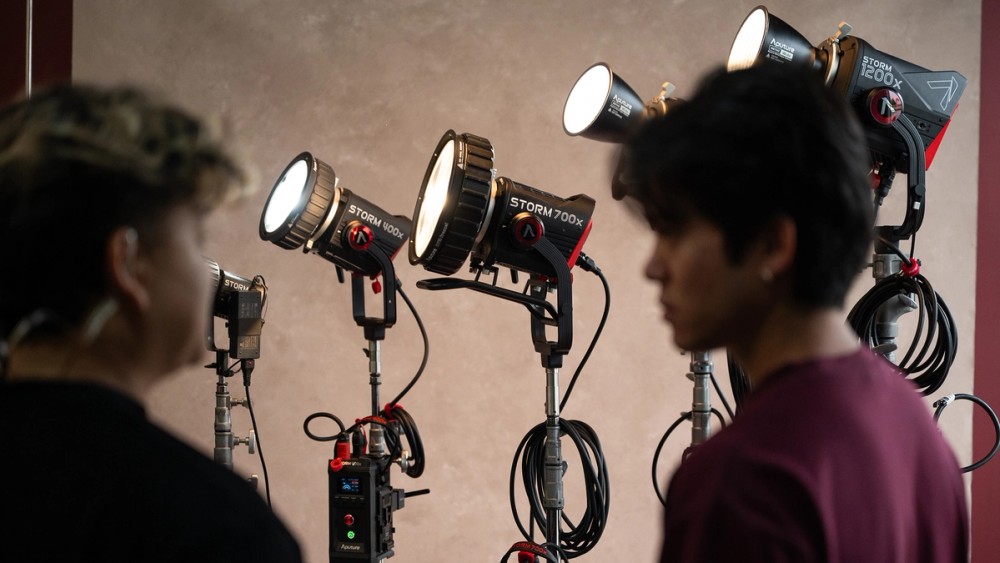
The STORM X line of variable white light fixtures provide greater color accuracy and control at similar or greater output levels with legacy white light COB fixtures. Aputure achieved these benefits by focusing the STORM COB output to a native flood angle of 57°-58°; this angle matches the native wide flood angles of traditional fresnel and par fixtures. Focusing this beam guides any stray light forward to prevent any waste of photons and greatly improves the efficiency of COB lights in optical modifiers often by a full lens stop. This design also maintains the quality of portraiture light in diffusion accessories. Need proof? This article shows our testing results and dives deep into the data to explore these answers.
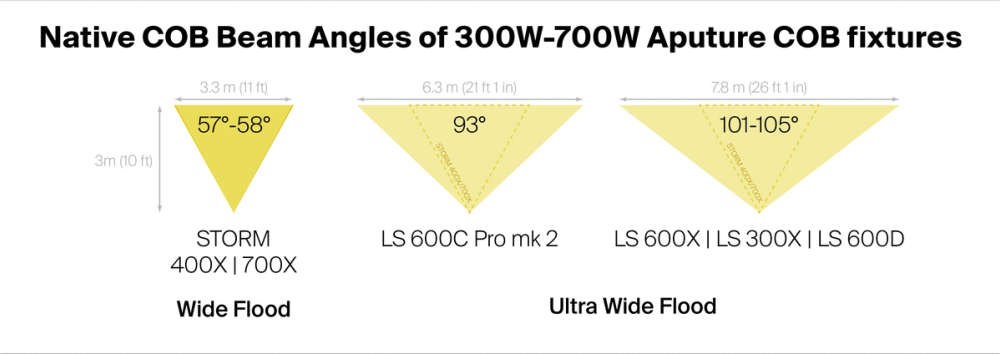
Figure 1: Native COB beam angles of 300W to 700W Aputure COB fixtures illustrate their typical native output field size
How Does a Native COB Flood Output Impact Output and Modifiers?
Based upon Figure 1, astute users will note that some Aputure legacy native COBs had smaller diameters and ultra wide flood angles, sometimes as high as 105°. Naturally, one may wonder how the STORM units’ adjusted native COB angle will impact the final light quality within different modifiers. So, our team tested all of these combinations to explore the differences of how the light wraps the face, how facial features cast shadows on the cheek, the appearance of “shine”, and shadows cast upon the background by subjects.
Understanding by testing: The photographic setup and testing methods
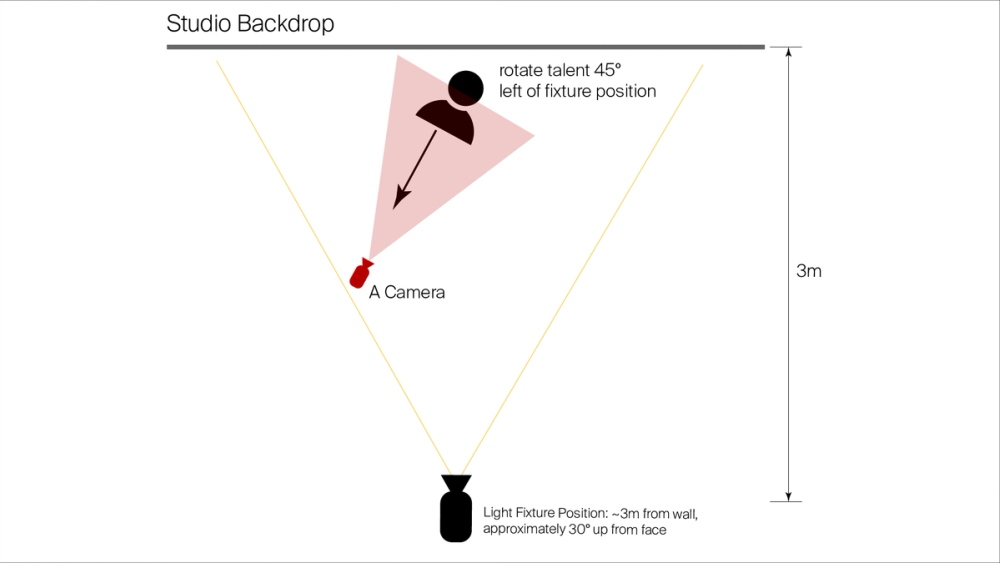
Figure 2: The modifier camera test lighting setup
To make direct apples-to-apples comparisons with legacy bicolor and single color white light fixtures and their modifiers, we took the following measures:
- We photographed a subject against a neutral gray backdrop with each combination.
- As seen in Figure 2, the testing team placed the emitting surface of each combination 45° off the lens axis, with a 30° height, at a consistent distance of 3 meters from the subject’s face.
- For fresnel attachments, our testers matched related flood and spot angle settings for each trial.
- To connect the source with the final results, Figure 3 shows the result of the final portrait caused by the lit surface of each fixture attachment. The scene illumination shows the final output spread.
- To fully explore the impact of the internal reflective surface on the final image in the dome accessories, all dome modifiers used the thinner 1 stop diffusion (similar to a ¼ grid) and excluded use of both the inner baffle and the control grid.
- The testers used Light Dome IIIs with Light Storms as a familiar comparison baseline for the new Quick Dome line. However, the 1 stop diffuser’s effect did not differ significantly, as seen in the images.
- All RAW stills images were adjusted only with exposure and white balance in post production to the same white card.
- For the “look”, all processing uses the “Neutral” camera calibration matrix in Adobe Lightroom, processed with default tone control settings. For final output, we used Adobe’s color management using sRGB as the working and output color space.
- We used Adobe Illustrator to composite all exported stills for layout and final export.
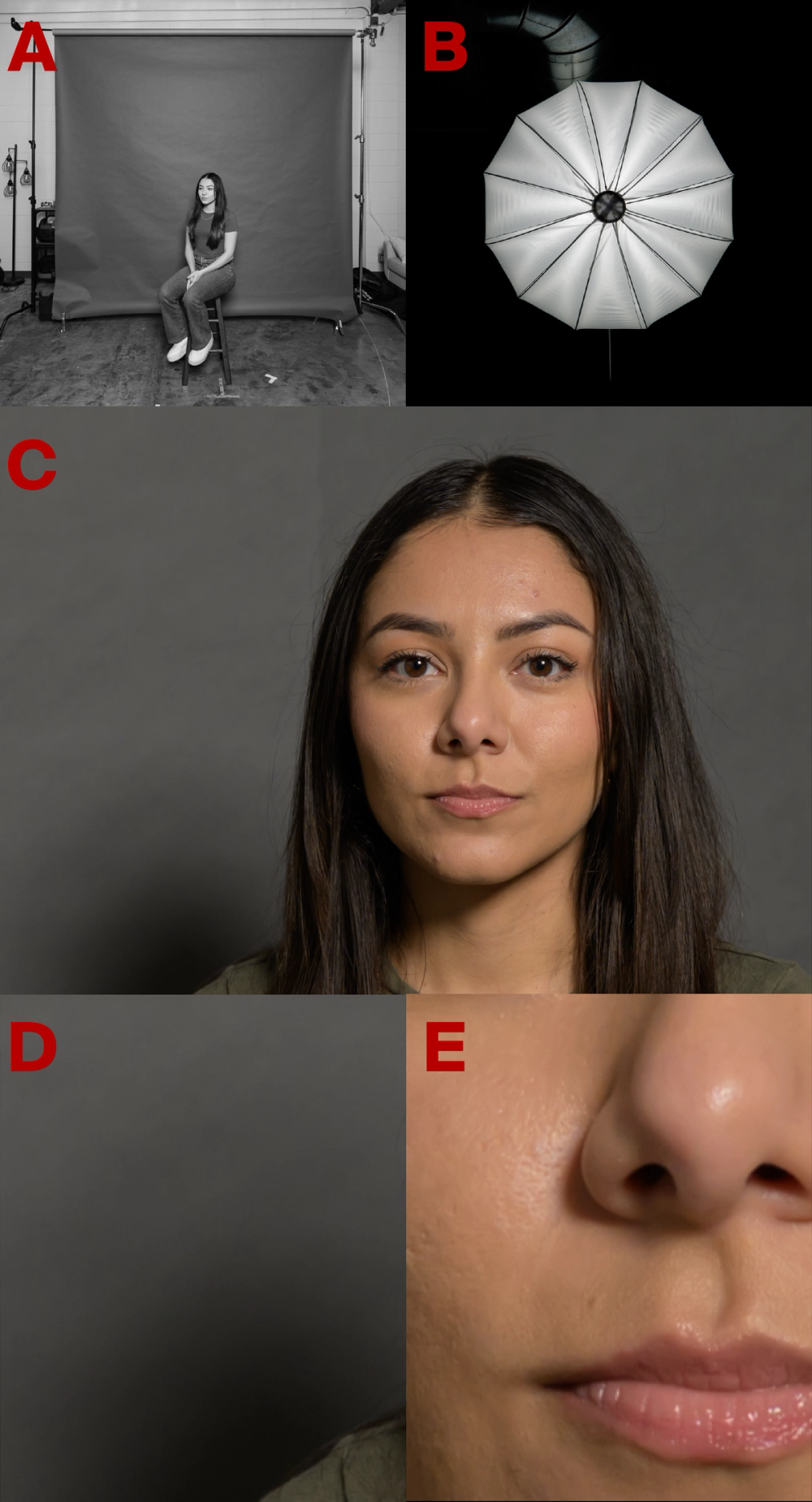
Figure 3: A single modifier / fixture combination trial. This composited frame shows all the relevant data in a single place. In order, the images portray: A) the scene, B) the face of the fixture, C) the final portrait, D) the shadow cast by the subject on the wall, and E) the shadows cast by the nose onto the face.
To draw comparisons of output, we metered the incident light at the subject’s face. To compare the quality of light upon faces and cast by subjects, we cropped and enlarged the shadows on the face and the shadow on the wall, as seen in panels D and E in Figure 3.
Optical modifiers: Test results and conclusions
The photometrics table below lists the different fixture photometrics compared to other fixtures in their similar wattage class, paired with their fresnel modifiers.
Output comparison
In terms of output, for most flood-to-spot fresnel applications, this photometric table comparing the 400X with the 300X indicates the benefit of designing optics around the STORM wide flood COB compared to optics designed around an ultra-wide flood COB of similar size:
| 400X | 300X | | | 400X | 300X | | | 400X | 300X | |
|---|---|---|---|---|---|---|---|---|
| Modifier | Bare | Bare | | | CF7 Fresnel Flood | 2X Fresnel Flood | | | CF7 Fresnel Spot | 2X Fresnel Spot |
| lux @ 3m | 3,440 | 822 | | | 5,650 | 3,750 | | | 20,200 | 7,690 |
| fc @ 9'10" | 319.6 | 76.4 | | | 525 | 348 | | | 1877 | 714 |
| How much brighter is STORM 400X? | +2.1 stops | | | +0.6 stops | | | +1.4 stops |
Although the 400X draws 33% more energy than the 300X, at 3,400 lux vs 822 lux, it natively projects four times more light energy forward than the 300X into any accessory. So, when comparing their respective fresnel attachments, the 400X outputs on average 200% more the light output, ie, between 0.6 and 1.4 lens stops, for the comparative beam size.
| 400X | 600D | 600X | | | 400X | 600D | 600X | | | 400X | 600D | 600X | |
|---|---|---|---|---|---|---|---|---|---|---|---|
| Modifier | Bare | Bare | Bare | | | CF7 Fresnel Flood | F10 Fresnel Flood | F10 Fresnel Flood | | | CF7 Fresnel Spot | F10 Fresnel Spot | F10 Fresnel Spot |
| lux @ 3m | 3,440 | 2,790 | 2,240 | | | 5,650 | 5,260 | 8,250 | | | 20,200 | 45,200 | 18,400 |
| fc @ 9'10" | 319.6 | 259 | 208 | | | 489 | 766 | | | 1877 | 4199 | 1709 | |
| How much brighter is STORM 400X? | +0.3 stops | +0.6 stops | | | +0.1 stops | | | +0.1 stops |
This next set of data shows that, thanks to its wide flood output design, the STORM 400x sometimes matches or outshines legacy fixtures in the class 33% above its wattage when bare or paired with its CF7 fresnel. So what about the STORM 700X? Well, see how it compares below:
| 700X | 600D | 600X | | | 700X | 600D | 600X | | | 700X | 600D | 600X | |
|---|---|---|---|---|---|---|---|---|---|---|---|
| Modifier | Bare | Bare | Bare | | | CF10 Fresnel Flood | F10 Fresnel Flood | F10 Fresnel Flood | | | CF10 Fresnel Spot | F10 Fresnel Spot | F10 Fresnel Spot |
| lux @ 3m | 4,980 | 2,790 | 2,240 | | | 9,320 | 5,260 | 8,250 | | | 40,400 | 45,200 | 18,400 |
| fc @ 9'10" | 463 | 259 | 208 | | | 866 | 489 | 766 | | | 3753 | 4199 | 1709 |
| How much brighter is STORM 700X? | 0.8 stops | 1.2 stops | | | +0.8 stops | +0.2 stops | | | +1.1 stops |
Either bare or with fresnel, the 700X matches or exceeds the 600D or 600X in output. So, overall, the fresnel spot of both STORM fixtures clearly improves upon 600D or 600X due to their wide flood COB design.
Light quality comparison
Concerning a hard quality of light, the images in Figure 4 illustrate an identically hard shadow cast by the new Compact Fresnel compared to more traditional fresnel optics.
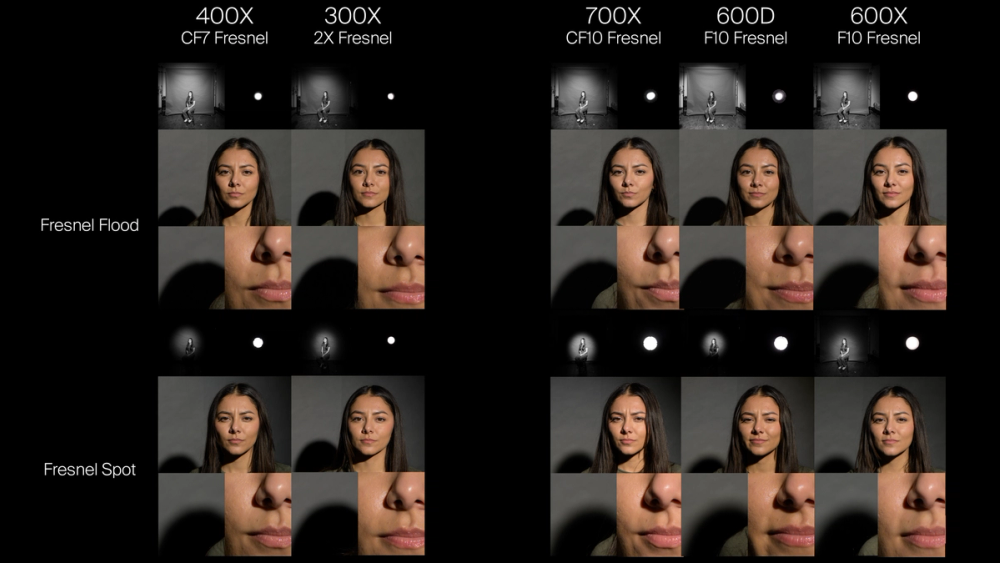
Figure 4: This image shows the 400X and 700X fixtures compared with similar units with their respective fresnel accessory. The images show the beam shape, hardness on a face, and the shadows cast by a subject on a wall.
Optical modifier conclusion
In both output and quality of light performance, the STORM X COB meets or exceeds the legacy technology.
Diffused Modifiers: Results and Conclusions
Output comparison
The photometrics table below illustrates the 400X fixture compared to the 300X fixture paired with their similarly sized modifiers:
| 400X | 300X | | | 400X | 300X | | | 400X | 300X | 600D | |
|---|---|---|---|---|---|---|---|---|---|
| Modifier | Quick Dome 60 | Light Dome Mini 3 | | | Quick Dome 90 | Light Dome 3 | | | Lantern 90 | Lantern 90 | Lantern 90 |
| Front Diffusion | 1 stop diffusion | 1 stop diffusion | | | 1 stop diffusion | 1 stop diffusion | | | |||
| lux @ 3m | 1290 | 484 | | | 1010 | 651 | | | 787 | 150 | 548 |
| fc @ 9'10" | 119.8 | 45 | | | 93.8 | 60.5 | | | 73.1 | 13.9 | 50.9 |
| How much brighter is STORM 400X? | 1.4 stops | | | 0.6 stops | | | 2.4 stops | 0.5 stops |
The table below illustrates the 700X fixture compared with the 600D and 600X paired with similarly sized modifiers:
| 700X | 600D | 600X | | | 700X | 600D | 600X | | | 700X | 600D | 600X | |
|---|---|---|---|---|---|---|---|---|---|---|---|
| Modifier | Quick Dome 60 | Light Dome Mini 3 | Light Dome Mini 3 | | | Quick Dome 90 | Light Dome 3 | Light Dome 3 | | | Lantern 90 | Lantern 90 | Lantern 90 |
| Front Diffusion | 1 stop diffusion | 1 stop diffusion | 1 stop diffusion | | | 1 stop diffusion | 1 stop diffusion | 1 stop diffusion | | | |||
| lux @ 3m | 2420 | 2450 | 1640 | | | 1690 | 2020 | 1650 | | | 1190 | 548 | 837 |
| fc @ 9'10" | 224.8 | 227.6 | 152.4 | | | 157 | 187.7 | 153.3 | | | 110.6 | 50.9 | 77.8 |
| How much brighter is STORM 700X? | +0.6 stops | | | | | +1.1 stops | +0.5 stops |
As expected, in both cases, the Light Dome accessories harness the stray light of the ultra-wide flood COB fixtures with their reflective inner surface without significant advantage over the STORM COB technology. In the 90cm wide domes, the efficiency averages out to be similar; but otherwise, the STORM COB mixing chamber proves more efficient. The lantern accessories clearly show the advantage of this approach. In particular, the 400X outputs more light than the 600D in the Lantern 90 with no discernable change in light quality, as we will discuss next.
Light quality comparison
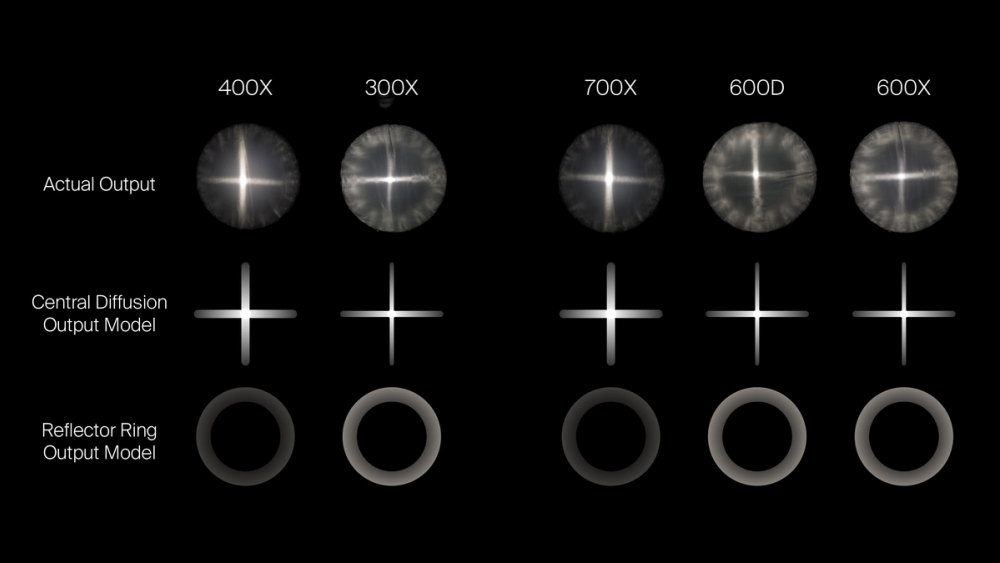
Figure 5: The appearance of the 90cm diameter diffusion dome attachments for the respective fixtures illustrate the actual pattern of light illuminating a subject. The exposure for each image placed the central hot spot exposure at the highlight clipping point to illustrate the respective differences of each combination. The lower two rows illustrate the deconstructed elements of the front diffusion versus the rear reflective surface.
For most diffused applications, as expected, these images in Figure 5 show that the more focused optics indeed fill out the dome diffusion quite differently. However, the final result of the diffusion in both cases results in very similar final images, as seen in Figures 6 through 8. Yes, within the light domes, the STORM X units illuminate the reflector backing less and simply fill the front diffuser. For example, the ultra wide flood output of the 600D fills the dome out to provide a larger “ring” of light in addition to the central cross pattern of light.
But, the final images in Figures 6 through 8 show minimal difference in final lighting quality. The lantern modifier trials show even less of a difference in the final portraits compared to the dome accessories. Therefore, one can conclude that the central cross pattern of light ends up providing the bulk of output versus the backing ring, so the final quality of light does not significantly change on a face.
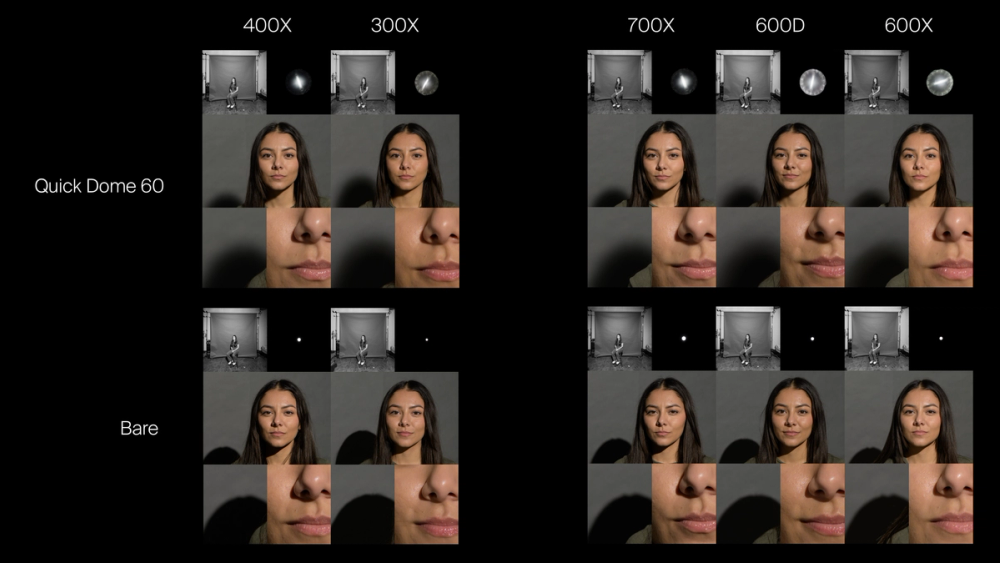
Figure 6: Comparisons between 60cm dome diffuser accessories trials
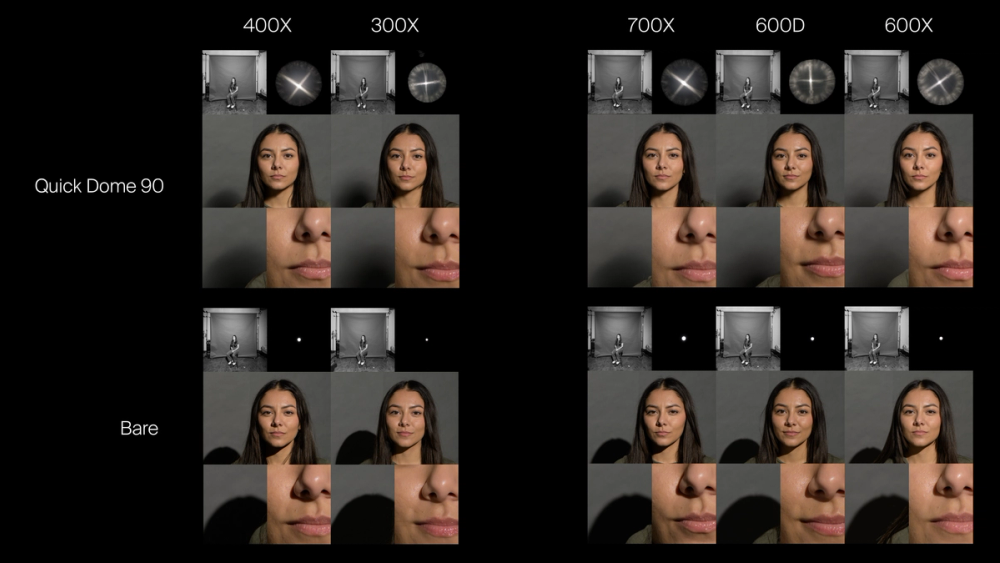
Figure 7: Comparisons between 90cm dome diffuser accessories trials
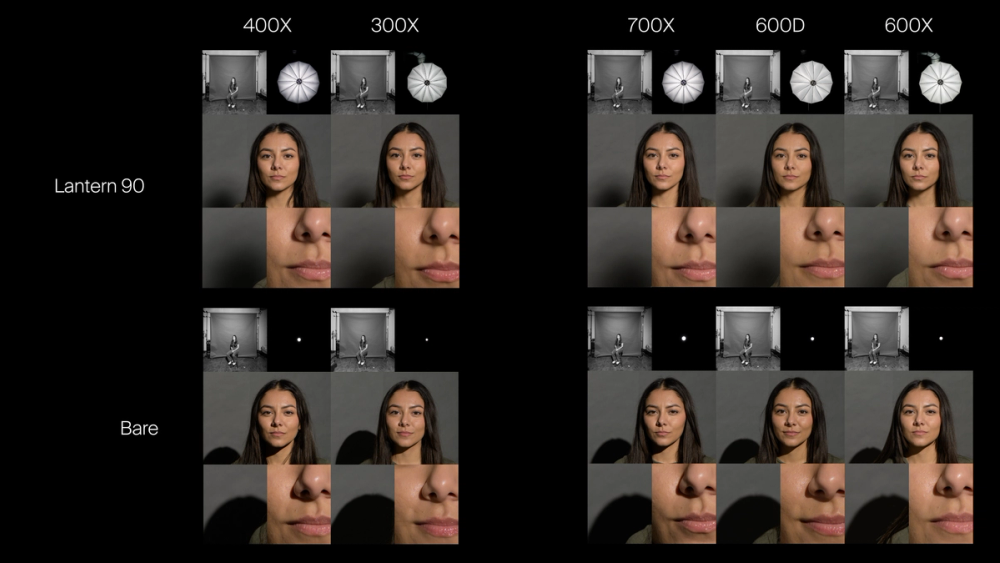
Figure 8: Comparisons between the Lantern 90 diffuser accessory trials
Finally, in Figure 9, these direct comparisons illustrate the result of the dimmer reflector ring seen by some more discriminating clients. The rear shadows show this difference, but very little difference appears in the face.
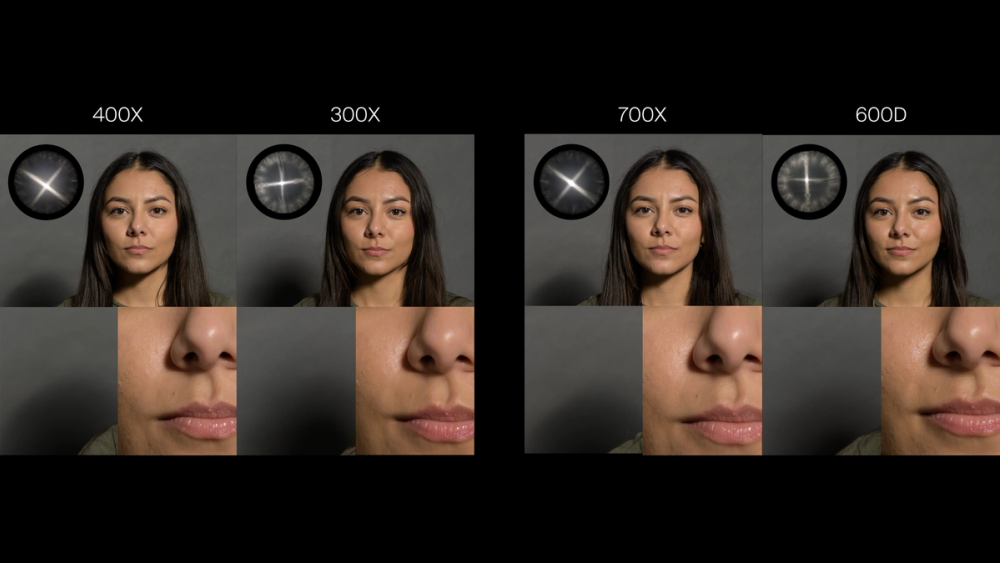
Figure 9: Detailed Comparisons between 90cm examples show: a) slight differences in the shadow cast by the subject on the wall, but little to no difference on the portrait lighting on the subject’s face.
Diffused modifier conclusion
Therefore, upon reviewing all trials, we conclude for lighting faces, the front diffusion’s material matters significantly more than the reflector light bouncing forward from interior surfaces, so the STORM units wide flood output provides more output for similar quality of light.
Final Conclusion: STORM X Fixtures Provide All the Benefits Without Sacrificing the Final Look
So, in practice, the STORM X line of products provide greater color accuracy and control with similar, or greater output levels than legacy COB technology. By harnessing the COB output within a native flood angle of 57°-58°, Aputure STORM X fixtures provide more output in most optical accessories and equal to greater output in most diffusion accessories. This wide flood angle also leaves little to no compromise in the final quality of light upon subjects.