Creating an Adaptive Environment on No Other Choice
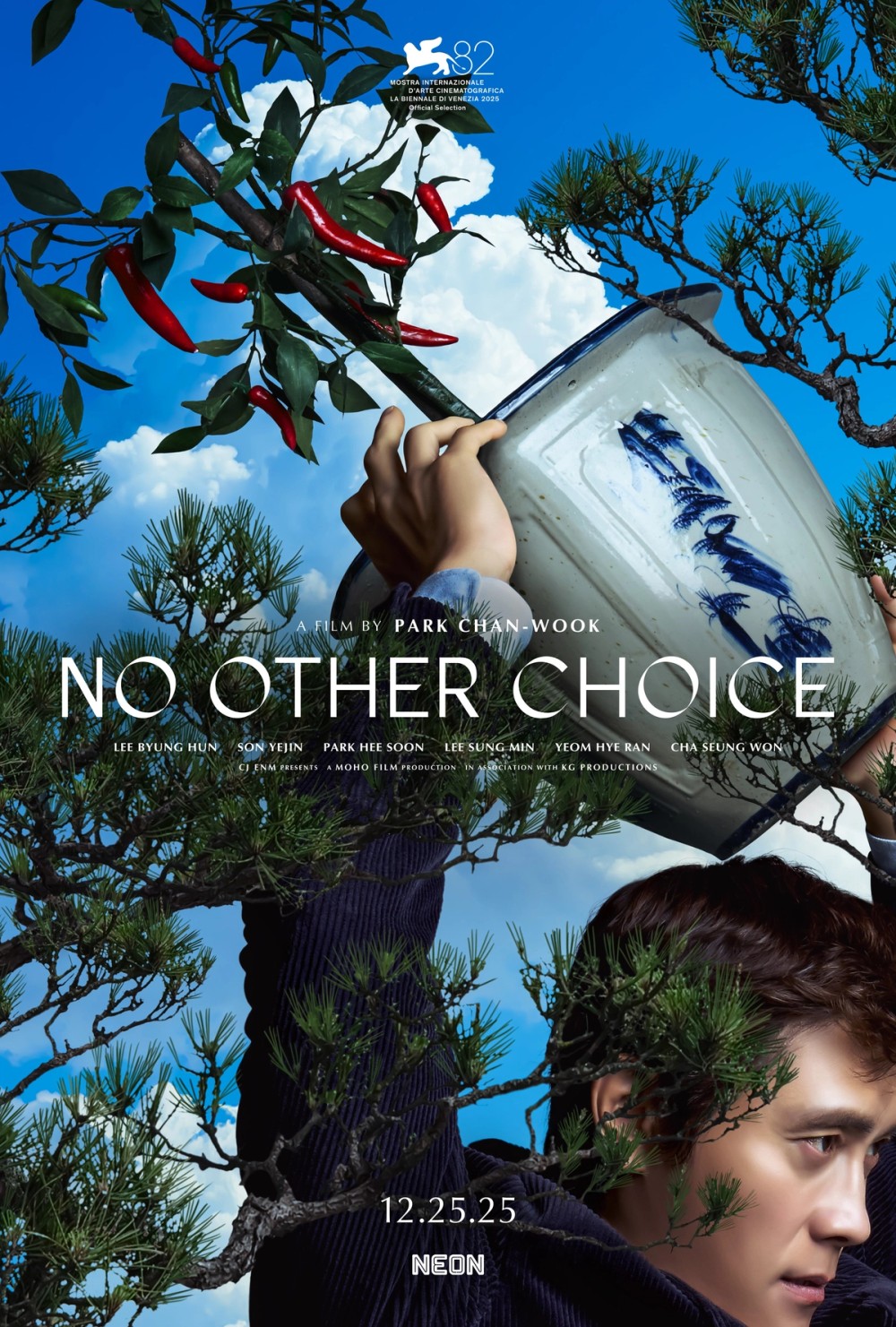
Production
- No Other Choice
Production Info
- Director: Park Chan-wook
- Cinematographer: Kim Woo-hyung, CGK
- Gaffer: Minjae Kim, ICLS
- Year: 2025
- Production Company: CJ Entertainment, Moho Film, KG Productions
- Distributor: CJ Entertainment, Neon (US distribution)
How DP Kim Woo-hyung, CGK, and Gaffer Minjae Kim, ICLS, used Aputure solutions to keep pace with Director Park Chan-wook’s evolving vision from prep to the final shot.
Challenge
Park Chan-wook, the acclaimed director behind Oldboy, The Handmaiden, and Decision to Leave, has returned with a film that is once again thrilling cinephiles worldwide. Based on Donald E. Westlake’s novel The Ax, the film No Other Choice depicts the crisis of a middle-aged patriarch in Korean society. In this project, Park’s brutal aesthetic remains intact, but here it is tempered by an undercurrent of dark comedy.
For this film, Director of Photography Kim Woo-hyung, CGK marks his third collaboration with Park, following the BBC series The Little Drummer Girl and the iPhone-shot short film Life Is But a Dream. Woo-hyung felt that, to meet—and surpass—the high aesthetic standards global audiences expect from Director Park, he was under “pressure that the quality of collaboration must keep rising.” Even after multiple collaborations, the process retains the sensation of beginning anew—of working, each time, from “a completely blank slate.”
From the film’s very first sequence, Director Park issued a characteristically ambitious request: for thirty seconds, Man-su would hold his family in his arms as time shifted around them. It’s not simply a matter of duration, but of transformation. Woo-hyung understands that “simply letting the camera roll and dimming it later in color grading wouldn’t be enough.” The change has to occur within the frame itself—visibly, palpably—so that the audience could endure those thirty seconds. How, then, could such a transformation be rendered truthfully, in real time?
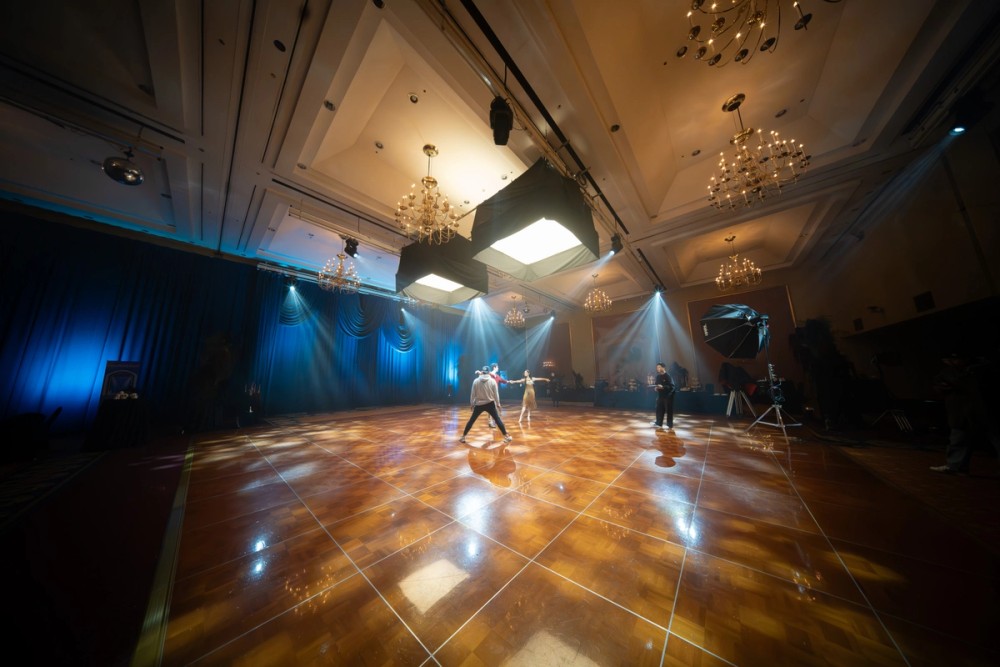
Meanwhile, Gaffer Minjae Kim, ICLS was grappling with a different complication. The ballroom scene, in which Mi-ri finally takes the floor, would be staged inside an aging hotel ballroom hemmed in by safety regulations and weight restrictions. Furthermore, since the space needs to show the passage of time by changing the color of the ambiance, the ability to freely alter color and brightness is essential. The lighting would need to shift in color, yet the rigging options were limited. How could such a system be installed and operated with both efficiency and flexibility?
Solution
To meet the expectations of cinephiles worldwide, Woo-hyung returns to basics. Night scenes in particular demanded heightened scrutiny. Rather than relying on convention, he pushes for a more distinctive look—reconsidering “things you’d normally take for granted when shooting night scenes like the color and brightness you instinctively use for moonlight.”
That attitude led to an extensive series of camera and lighting tests. Working with LED fixtures made the process unusually fluid. “We didn’t have to swap out gels in front of the lights. but could adjust the color with a single button while shooting and immediately see the results.”
For the ballroom scene, Woo-hyung says, “In situations like that, in the past, you had to determine everything before the lights went up—what color they should be, and how strong they needed to be. Because once the lights were rigged, making changes wasn’t easy at all.”
INFINIMATs played an optimal role in meeting these demands. Minjae says, “The output was extremely bright, so we felt that putting the mat inside a softbox would work well for the environment. It required far less cabling than rigging multiple units, and it offered color control as well.”
Results
Working with LED fixtures goes beyond merely making the workflow more convenient. On Park’s set, revisions can arrive at the last possible moment, demanding a production culture built on adaptability. Given that Park’s process involves responding to what had been shot previously while reshaping the day’s work accordingly, flexibility is a necessity. In that context, Woo-hyung notes, “not only did it save us time in the process, but since it allowed us to experiment with more options during setup, I believe it ultimately contributed to the film’s overall quality.”
That adaptive environment begins to produce subtle shifts in the color of moonlight and in the shaping of a more distinctive night look. The differences are not dramatic at first glance, but they register in accumulation. Woo-hyung believes that “there is a subtle difference between the night scenes in Life Is But a Dream and this film. I think all of those small details accumulate to create a vastly different feeling by the end.”
What once required time, labor, and physical intervention could now be altered in real time—an efficiency that expanded not only the range of options, but the precision of judgment. In the ballroom scene, the lightweight lighting fixtures helped overcome the physical constraints of the space, and as a result, when Park “requested small color tweaks on the day of the shoot, we were able to apply those changes instantly right there on set,” Minjae says.
After making its world premiere in competition at the Venice Film Festival, No Other Choice went on to achieve remarkable success, winning the People’s Choice Award at the Toronto International Film Festival and earning Golden Globe nominations for Best Motion Picture and Best Actor.
“As Aputure has introduced more LED-based packages like these, while we never slack off on prep and still aim for a specific goal, the fact that we can now experiment with different looks right up until the final second—that is a massive advantage,” Woo-hyung says.
Plan a Setup Like This
Share your project requirements, and our Sales team will help you create a spec and purchasing plan.
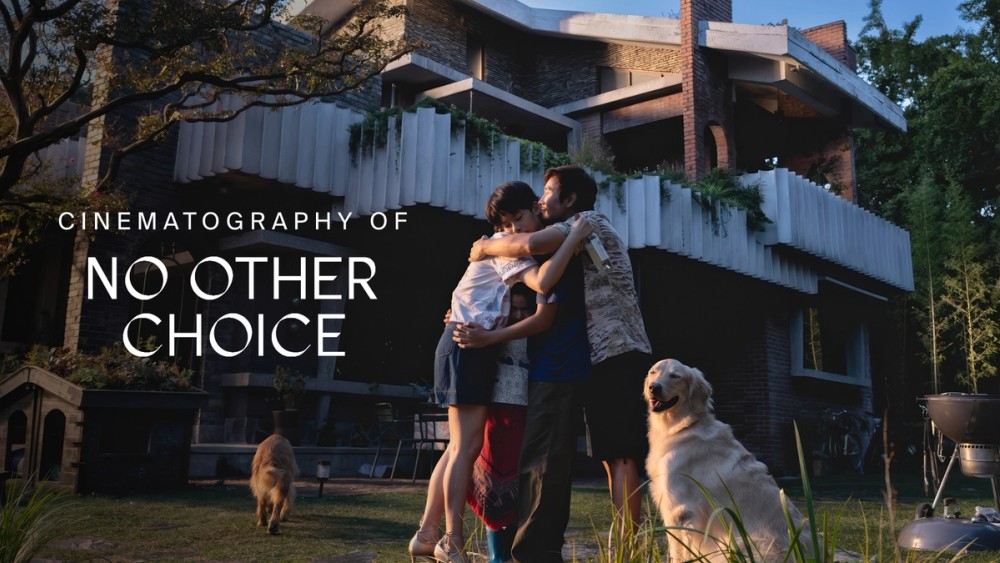
Dancing Under The Lights
“With the use of LEDs, things have become much easier for us. You can judge brightness and color as you see them change. Not only did it save us time in the process, but since it allowed us to experiment with more options during setup, I believe it ultimately contributed to the film’s overall quality.”
Woo-hyung Kim, CGK
Director of Photography
The adoption of LED fixtures significantly streamlined the workflow on set. Real-time control over brightness and color allowed the team to evaluate adjustments immediately, eliminating the need for time-consuming physical modifications.
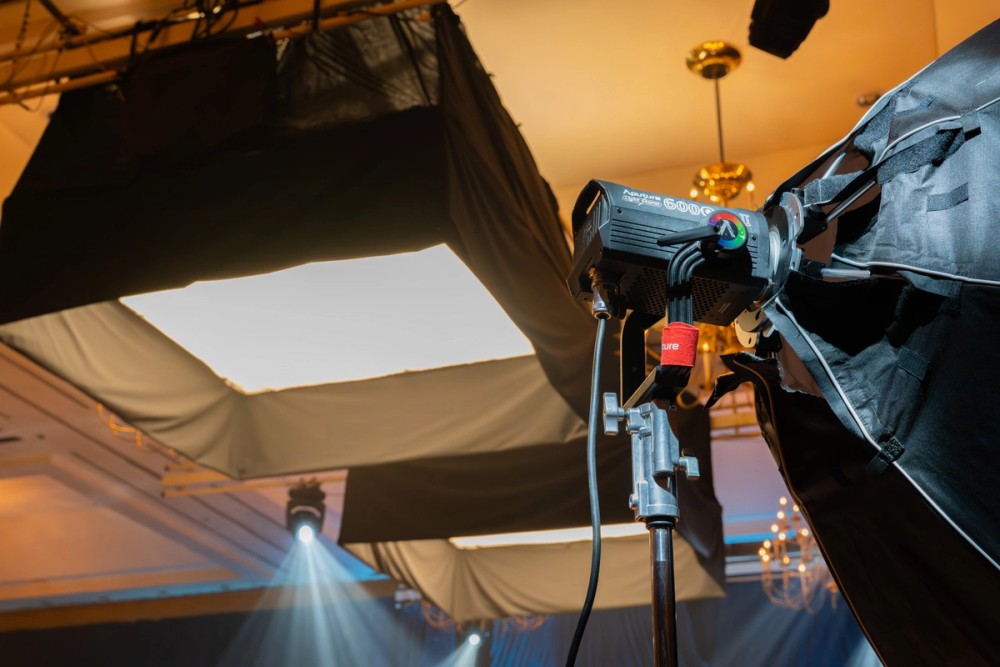
The ballroom location presented significant physical constraints, including limited rigging options and strict weight restrictions. The lightweight LED fixtures allowed the team to create a soft overhead base while maintaining flexibility for last-minute adjustments in color and intensity.
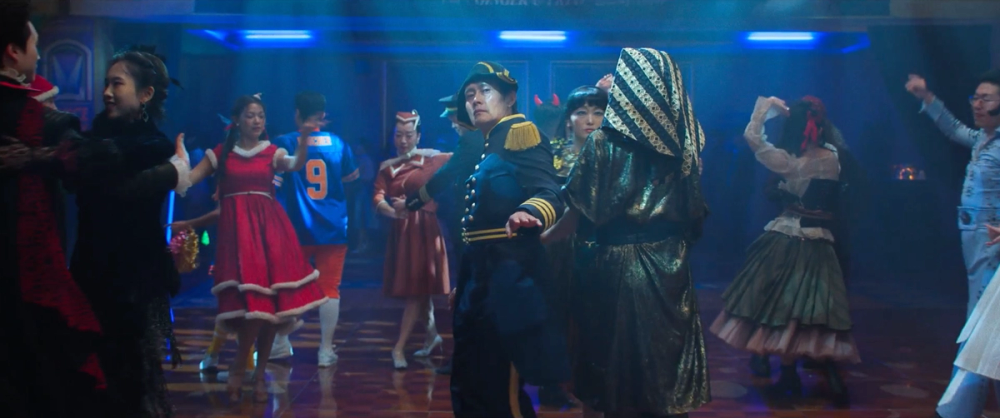
“In the past, there were many situations we’d say, ‘We’ve already prepped it this way, so it’s too late to change it now.’ But as Aputure has introduced more LED-based packages like these, the fact that we can now experiment with different looks right up until the final second—that is a massive advantage.”
Woo-hyung Kim, CGK
Director of Photography
Before LED systems became standard, lighting setups were largely fixed once installed, making last-minute changes difficult. Today, LED-based packages allow crews to refine color and intensity in real time, restoring flexibility to the process.
Day or Night. Inside or Out. Small to Large.
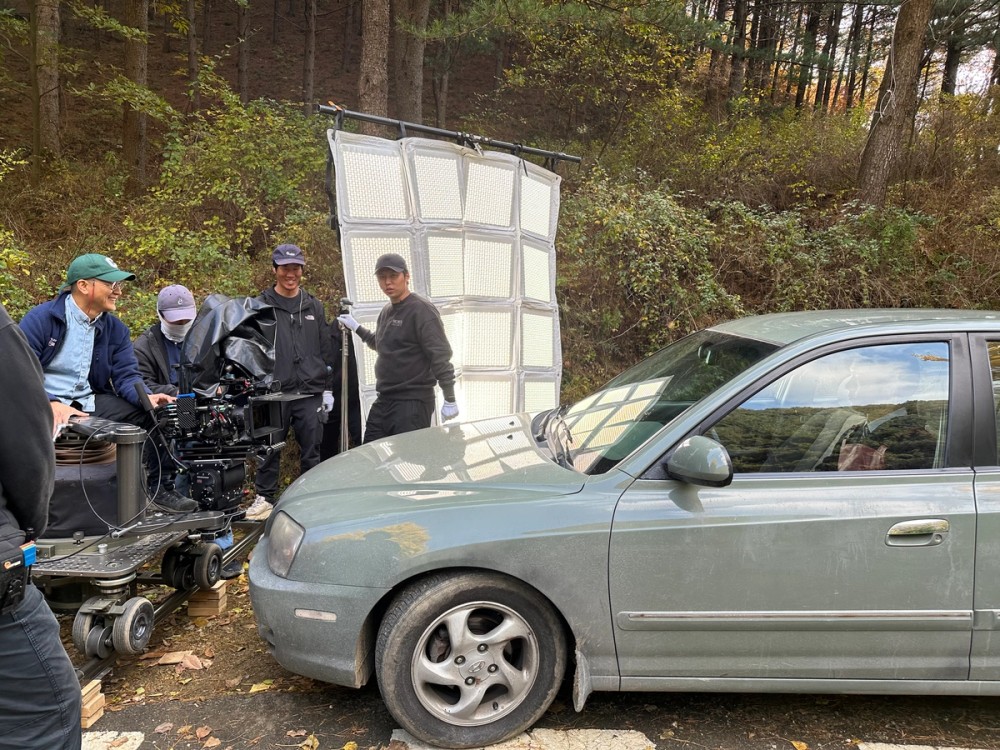
“When we took the INFINIMAT outside for a daylight test, we found the output was excellent for fill work, even without the air diffusion. Since it features a multi-cell configuration, I was concerned about potential multi-shadows or messy artifacts. But the tests showed the light quality was soft enough to be used in its native state.”
Minjae Kim, ICLS
Gaffer
During exterior daylight testing, the team utilized the INFINIMAT as a fill source. In terrain where placing bulky fixtures was impractical, its lightweight profile proved especially useful.
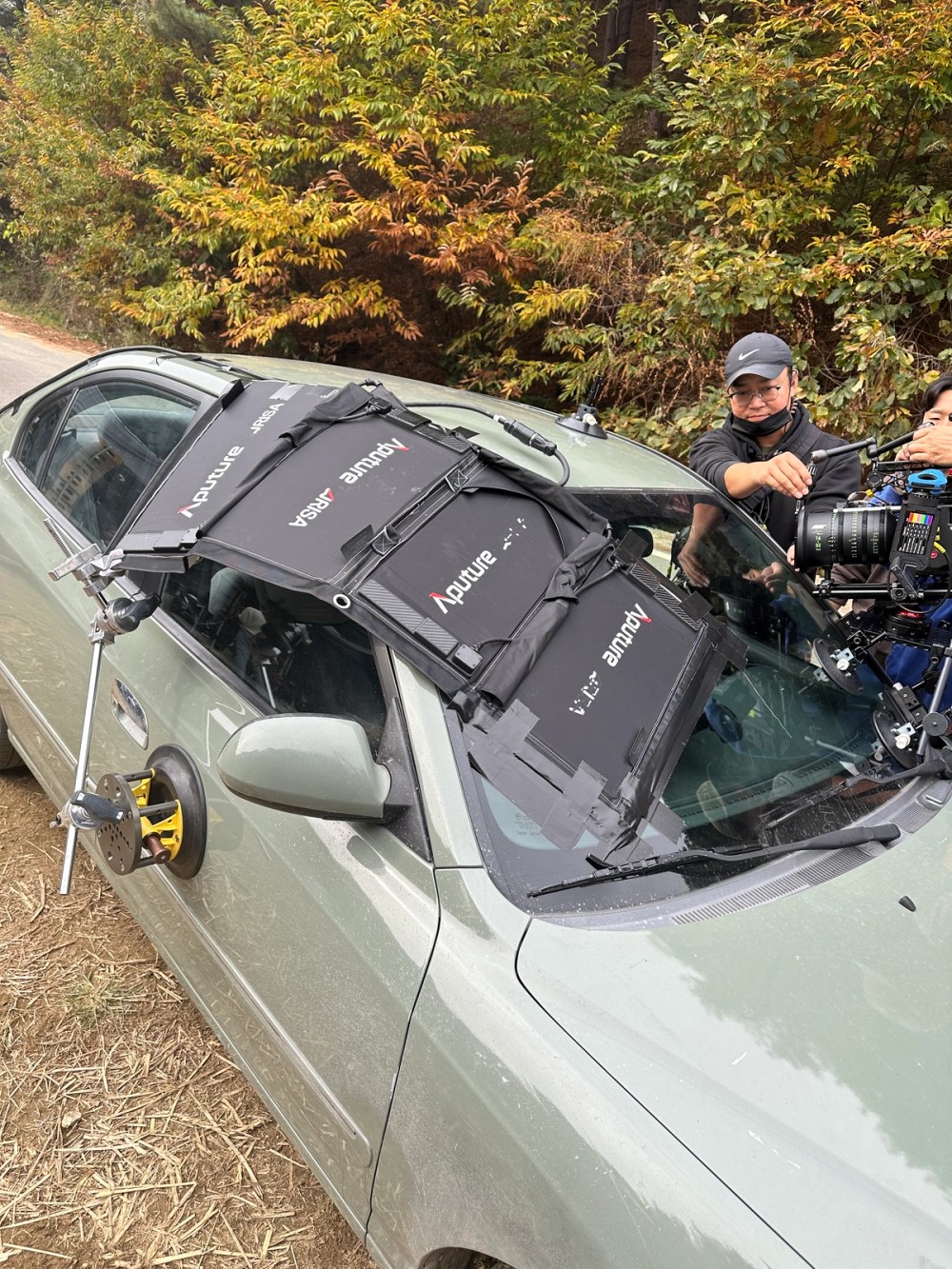
“So for day scenes, as fill lights, we freely utilized various sizes, ranging from small to large. We even just mounted them directly on the windshield or side windows for car scenes.”
Minjae Kim, ICLS
Gaffer
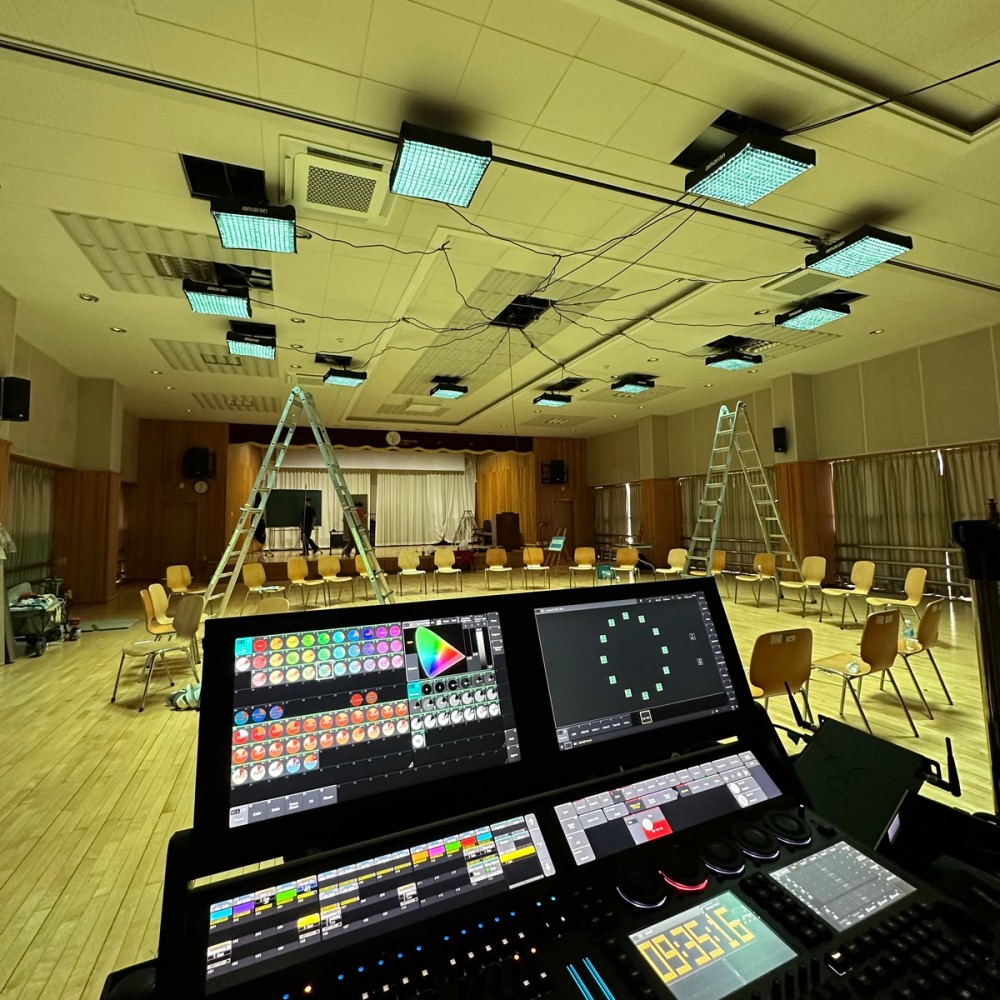
“I was truly impressed by the improved color rendition and the near-zero color shift even at low dimming levels, all while maintaining incredible output.”
Minjae Kim, ICLS
Gaffer
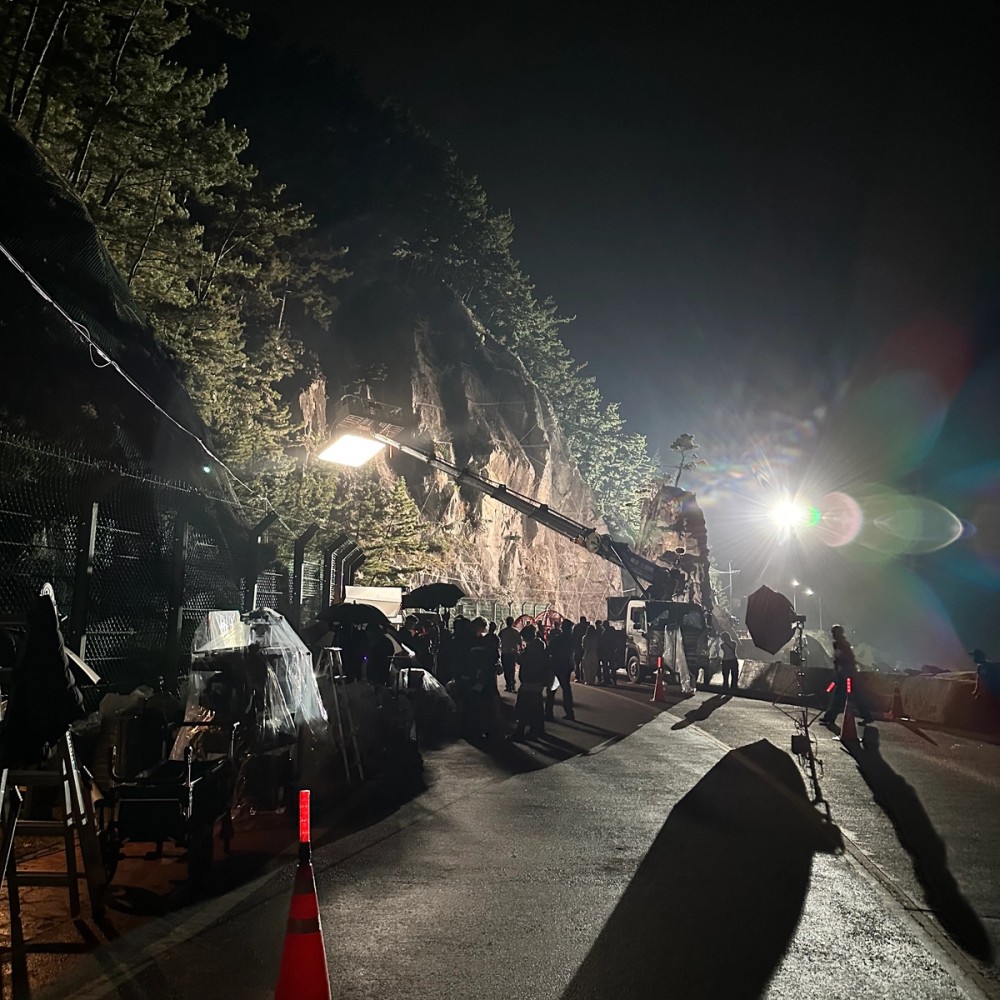
“We went back to the basics—things you’d normally take for granted when shooting night scenes like the color and brightness you instinctively use for moonlight.”
Woo-hyung Kim, CGK
Director of Photography
For the outdoor night scenes as well, the INFINIMAT was utilized—Minjae even recalls that its output was almost too powerful at times. Woo-hyung notes that with the wider adoption of LED fixtures, night scenes have generally become bolder in color, prompting him to consider how to create differentiation within that evolving visual landscape. “We went back to the basics—things you’d normally take for granted when shooting night scenes like the color and brightness you instinctively use for moonlight,” says Woo-hyung.
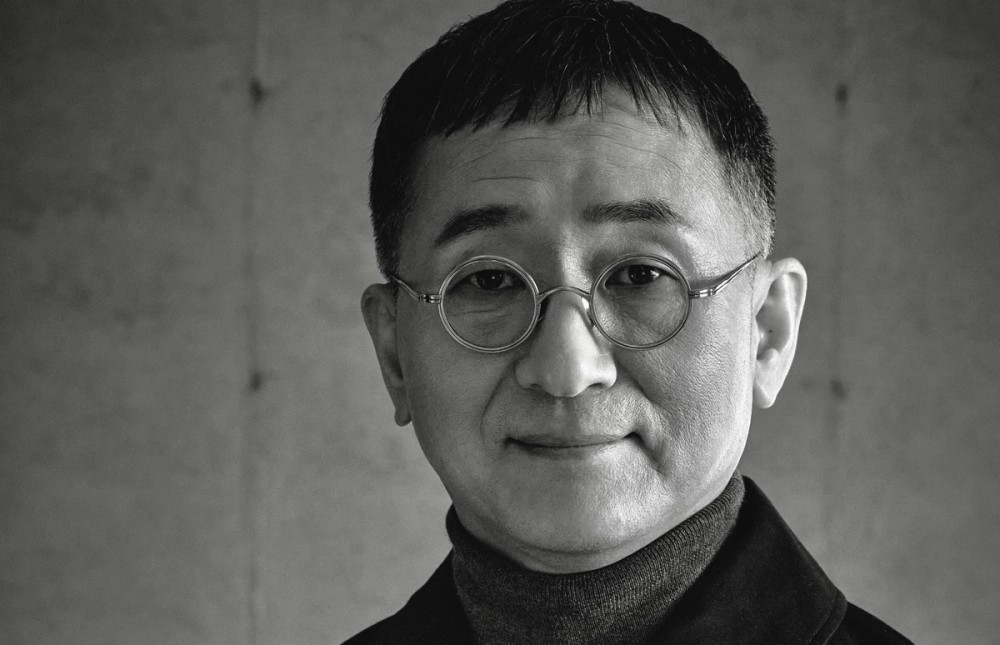
Director of Photography Kim Woo-hyung, CGK studied cinematography at the London Film School. He has worked with many of Korea’s leading auteur directors on monumental works, including Jang Sun-woo’s several projects, Im Sang-soo’s A Good Lawyer’s Wife (2003) and The President’s Last Bang (2005), as well as Late Autumn (2010) starring Tang Wei. His portfolio also includes massive commercial hits such as The Front Line (2011), Assassination (2015), and 1987: When the Day Comes (2017). For the BBC TV series The Little Drummer Girl, directed by Park Chan-wook, he won the BAFTA TV Craft Award for Photography and Lighting in Fiction.
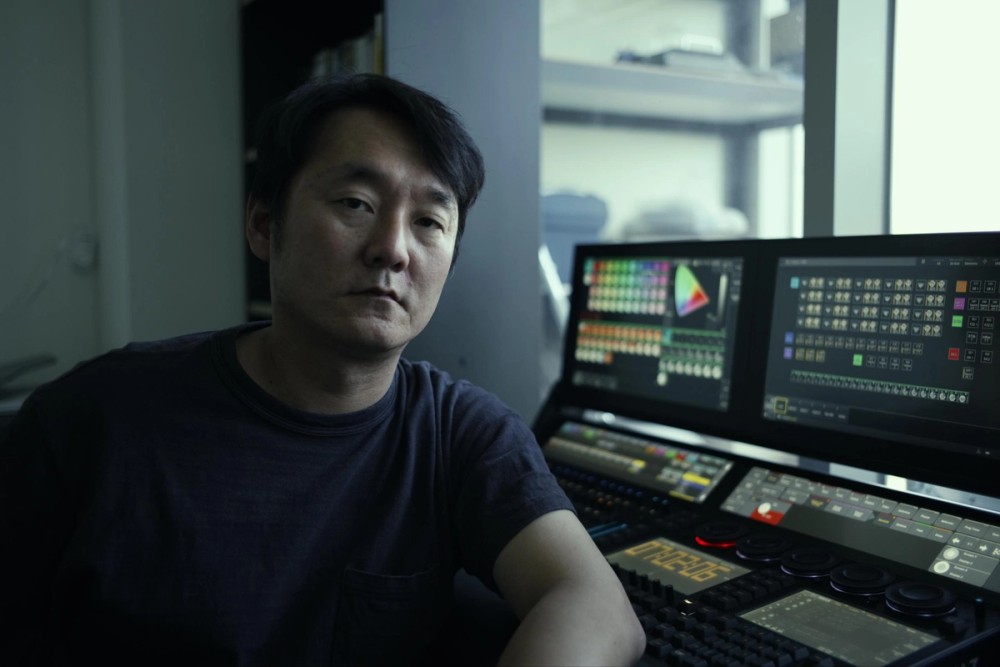
With a filmography spanning over 30 titles, Gaffer Kim Min-jae has collaborated with Director Park Chan-wook on No Other Choice (2025) and Life Is But a Dream (2022). His extensive body of work also includes Next Sohee (2022), which was selected as the closing film for Critics' Week at the Cannes Film Festival. He has been recognized for his excellence in lighting, winning the Best Lighting Award at the Daejong Film Awards for both The Front Line (2011) and The Silenced (2014). Most recently, he was also honored with the Lighting Award at the Korean Film Producers Association Awards for No Other Choice.
Plan a Setup Like This
Share your project requirements, and our Sales team will help you create a spec and purchasing plan.
Featured Products

Complete 8x8ft tunable color mat light system with clear inflatable airbag and 1,600W control box
$18,900
Complete 1x4ft tunable color mat light system with clear inflatable airbag and 400W control box
$1,990
Complete 2x4ft tunable color mat light system with clear inflatable airbag and 400W control box
$2,190