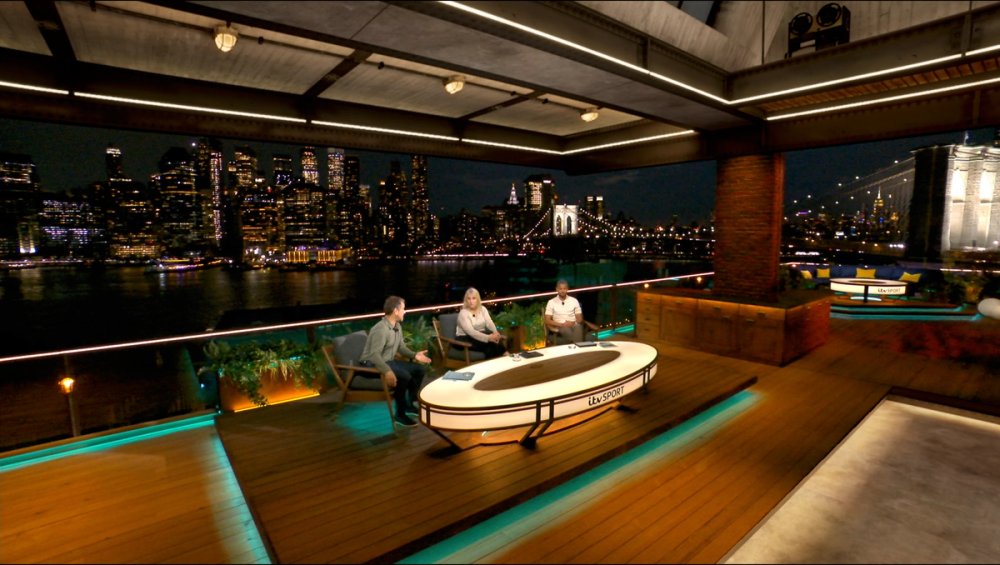
Lighting for Spectacle at Scale on Beast Games
Production
- Beast Games: Season Two
Production Info
- Director: Russ Leggett
- Head of Camera: Ryan Elwell
- Lighting Director: Adam Biggs
- Year: 2026
- Distributor: Amazon Prime Video
Lighting designer Adam Biggs breaks down the lighting and effects at a massive scale needed for the largest competition show ever conceived.
Challenge
Beast Games returned for its second season on January 7, 2026, on Amazon Prime. In this season of the reality competition series from YouTuber Jimmy "MrBeast" Donaldson, hundreds of contestants on two teams compete across a wide variety of games for a $5 million grand prize.
The enormous scale of the show and its dynamic, reactive effects are lighting challenges that only a skilled group of professionals could deliver. Lighting designer Adam Biggs was called up on short notice to work on season one of Beast Games and brought his experiences on large-scale game shows like American Ninja Warrior and Holey Moley to the project.
“They told me, ‘We don’t want it to look like a YouTube show,’” Biggs says, “‘We want it to be something special and cinematic, a spectacle.’”
The first season featured one thousand contestants and used a record-breaking number of cameras and thousands of lights. For example, Biggs and his team used INFINIBARs for the practical and effects lighting in the Beast City towers. “Each [tower] was about 120 INFINIBARs,” he says, “They were great because they were more geometric in style and they had great color. They fit well into our look.”
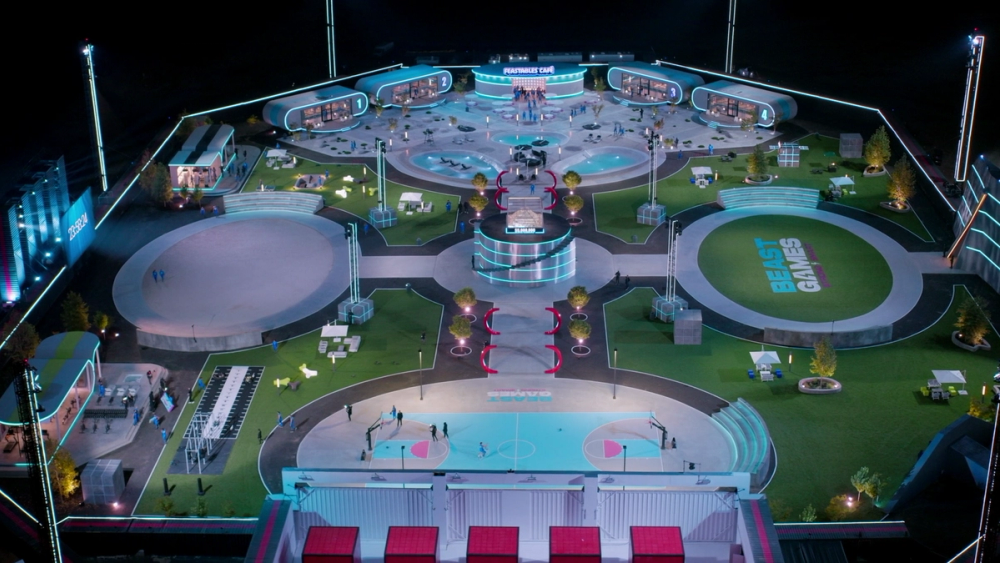
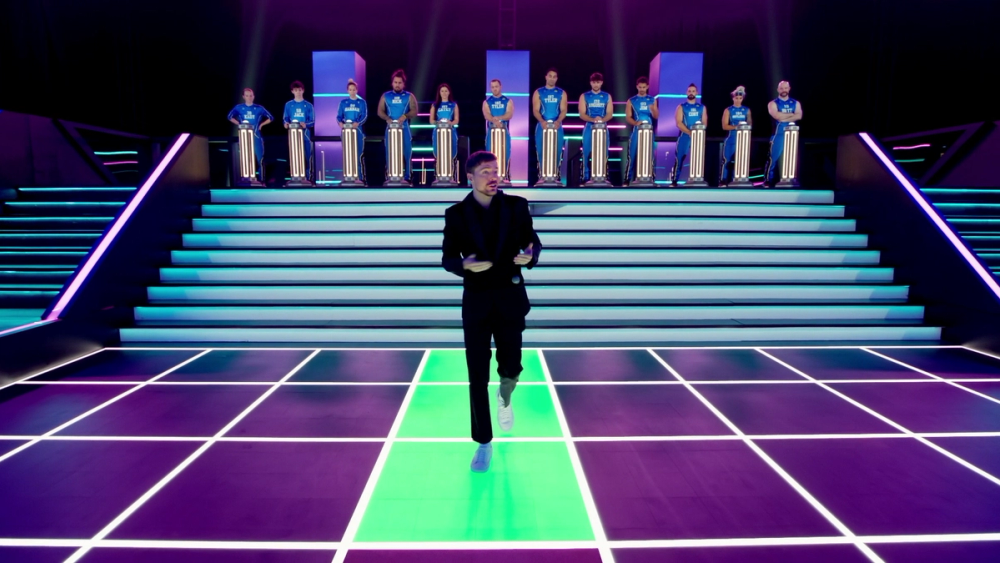
For season two, the scope of the series was increased even further. While there would only be 200 competitors, the series would shoot on eight enormous sets in three locations in North Carolina, Las Vegas, and Riyadh, Saudi Arabia. These new locations would include an all-white void with 360° visibility, multiple arenas with a massive, interactive LED tile floor, and a new, sprawling Beast City inspired by futuristic media.
Solution
The only way for Biggs to light the show was to leapfrog both the crew and the show’s lighting package. Two lighting teams worked in shifts 24 hours a day, while a rigging team supported with prep and wrap. Biggs oversaw three gaffers and two lighting designers, with a third LD who joined for the shoot in Saudi Arabia.
For the white void in episode two, the team rigged a warehouse with three cloud arrays of Nova fixtures. Biggs says, “We had traditional silks underneath, and then above that, we had an array of about 160 P600cs.”
Both the void and the pattern game, which used a similar LED floor set in episode 6, required a great deal of control to dial in. Biggs says, “We had to balance the LED floor and the color with our lighting. You have to see [the contestant’s] faces, but you want to see the floor; you don’t want to blow it all out. The Novas were great because they gave us so much control over the color and the intensity. They’re super easy to work with and rig.”
For season two’s Beast City, the team again turned to INFINIBARs as a practical and effects light. “[Beast City] was very heavy in LED and scenic on-camera elements. Very futuristic. It's cool. I love it. And we needed fixtures to put in the ceilings of all the living quarters that matched the look of the production design. I didn't want to do a tube, so we used INFINIBARs. And it looks like it's seamlessly integrated into the ceiling.”
Keeping up with the unscripted nature of the show and MrBeast’s creative style required extensive work on each arena’s lighting and effects. Five programmers worked across eight consoles that also leapfrogged around the production. Biggs says, “We have to give [MrBeast] his playground so he can go where he wants. I have to be able to light him in multiple zones. You've got to be ready for multiple things with Jimmy because you don't know what's going to happen until it happens.”
Results
Season two of Beast Games is Prime Video’s most-watched unscripted series ever and certified fresh on Rotten Tomatoes. Reviews praised the evolution of the show from season one, especially the larger-than-life scale and the variety of games.
Biggs says, “I am most proud of how we, as a team, executed all these different episodes that were so different. It still blows me away when I think back to what we did. Each episode is a spectacle in itself. I have an amazing team. These guys are awesome. I’ve worked with the LDs, the gaffers, all the way down to electricians and grips, for the last 20 years on features, on commercials, and on these giant, unscripted shows. I talked to my crew about it, and I'm like, you know, we've done it before, and we know what we're getting into. This was something so rare, so unique, that I wouldn't want it to be any easier. I can't believe I'm saying that, but it's true.”
Plan a Setup Like This
Share your project requirements, and our Sales team will help you create a spec and purchasing plan.
Beast Towers in Season One
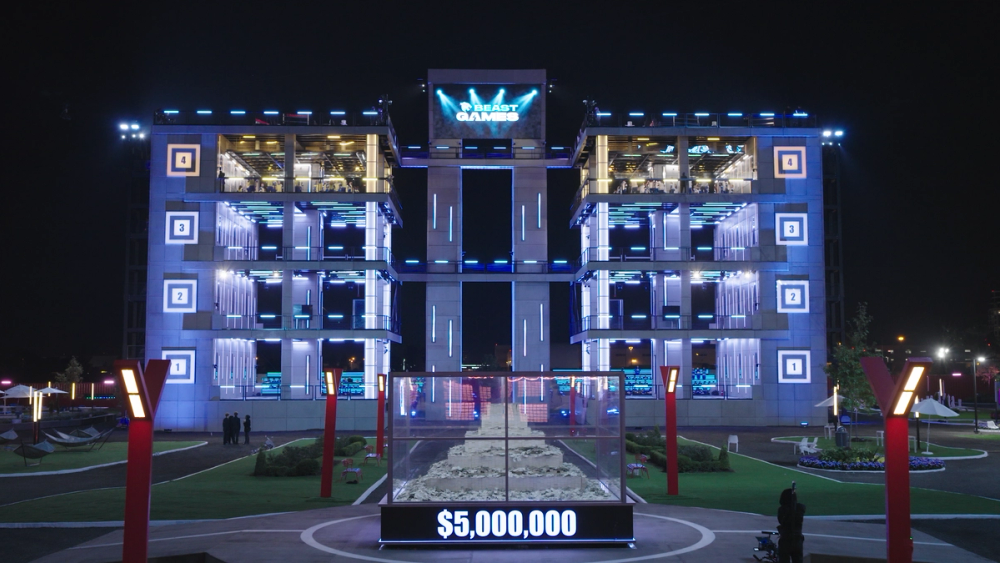
“Each [tower] was about 120 INFINIBARs. They were great because they were more geometric in style, and they had great color. They fit well into our look.”
Adam Biggs
Lighting Designer
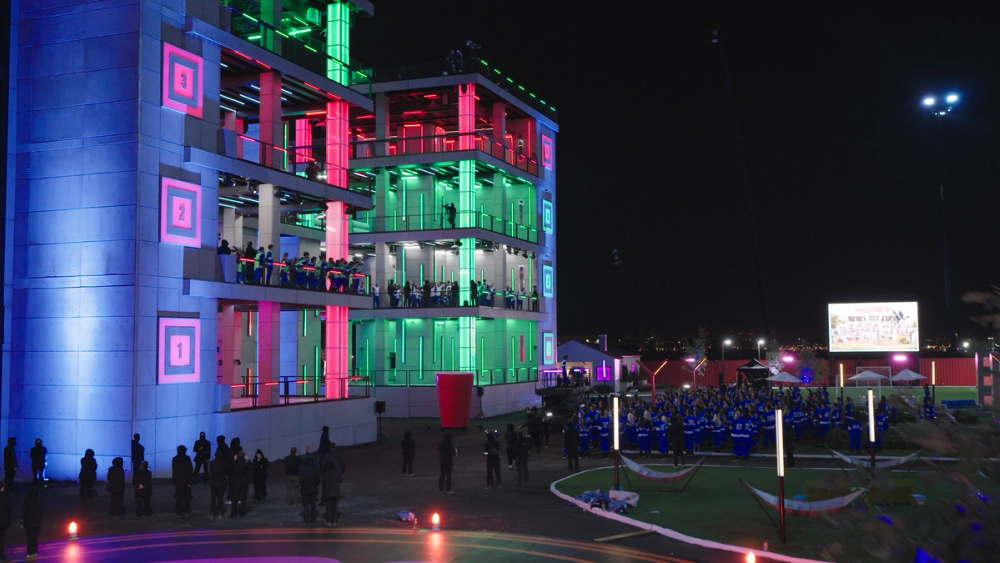
“They told me, ‘We don’t want it to look like a YouTube show. We want it to be something special and cinematic, a spectacle.’”
Adam Biggs
Lighting Designer
The first season used a lighting kit with thousands of fixtures, including hundreds of INFINIBARs, all of which needed to be controlled for quick adjustments and live effects.
Beast City in Season Two
“I had a construction crane with a giant moon on it built out of a bunch of tube lighting. We had 10 condors with moving lights and static ambient moonlight. And that's just the stuff you don't see.”
Adam Biggs
Lighting Designer
The White Void
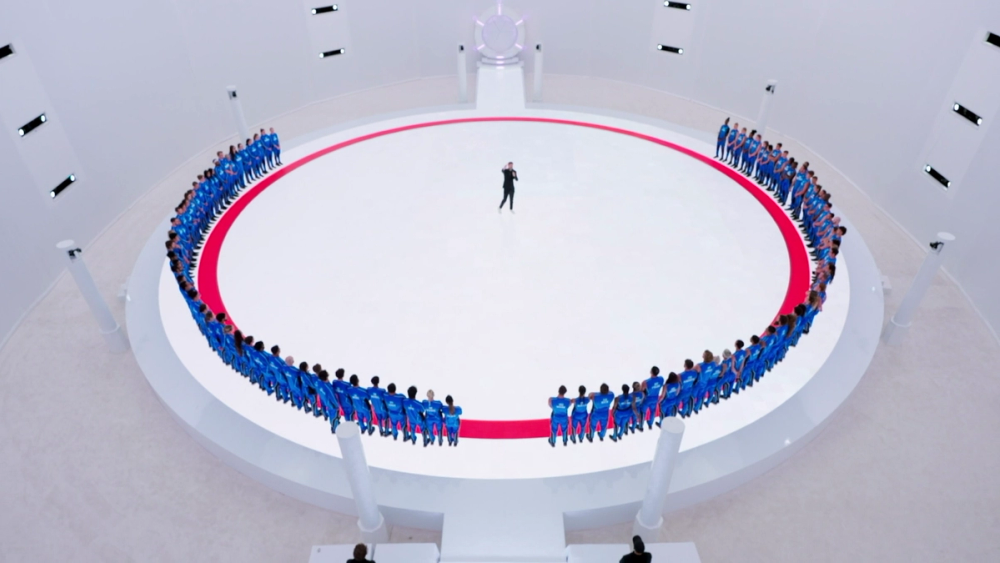
“We had traditional silks underneath, and then above that, we had an array of about 160 P600cs.”
Adam Biggs
Lighting Designer
For the white void in episode two, the team rigged a warehouse with three cloud arrays of Nova fixtures that were responsive to events in the games.
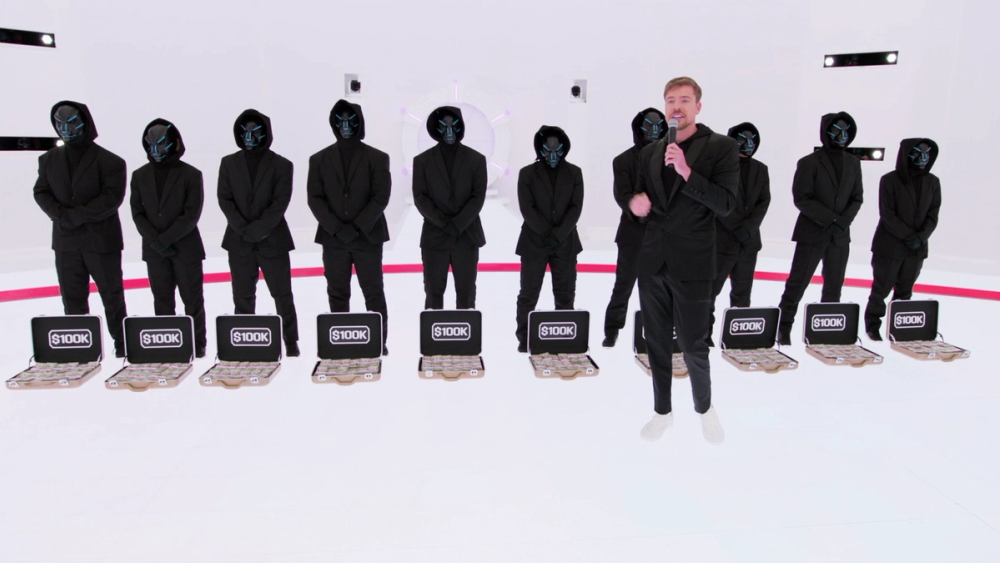
“You have to see [the contestant’s] faces, but you want to see the floor; you don’t want to blow it all out. The Novas were great because they gave us so much control over the color and the intensity. They’re super easy to work with and rig.”
Adam Biggs
Lighting Designer
Balancing lighting with the LED floor was possible thanks to the eight lighting control consoles the production leapfrogged across locations.
The Pattern Game
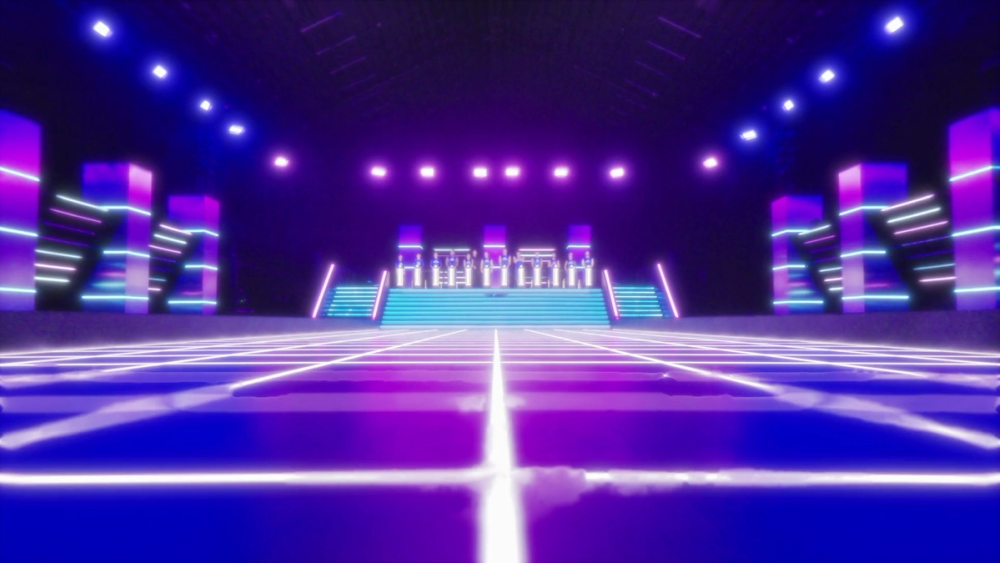
“We have to give [MrBeast] his playground so he can go where he wants. I have to be able to light him in multiple zones. You've got to be ready for multiple things with Jimmy because you don't know what's going to happen until it happens.”
Adam Biggs
Lighting Designer
The massive number of lights also meant a massive amount of lighting control work. Five programmers worked across eight consoles that leapfrogged around the production.
“I am most proud of how we, as a team, executed all these different episodes that were so different. It still blows me away when I think back to what we did. Each episode is a spectacle in itself. I have an amazing team.”
Adam Biggs
Lighting Designer
The only way for Biggs to light the show was to leapfrog both the crew and the show’s lighting package. Two lighting teams worked in shifts 24 hours a day, while a rigging team supported with prep and wrap.
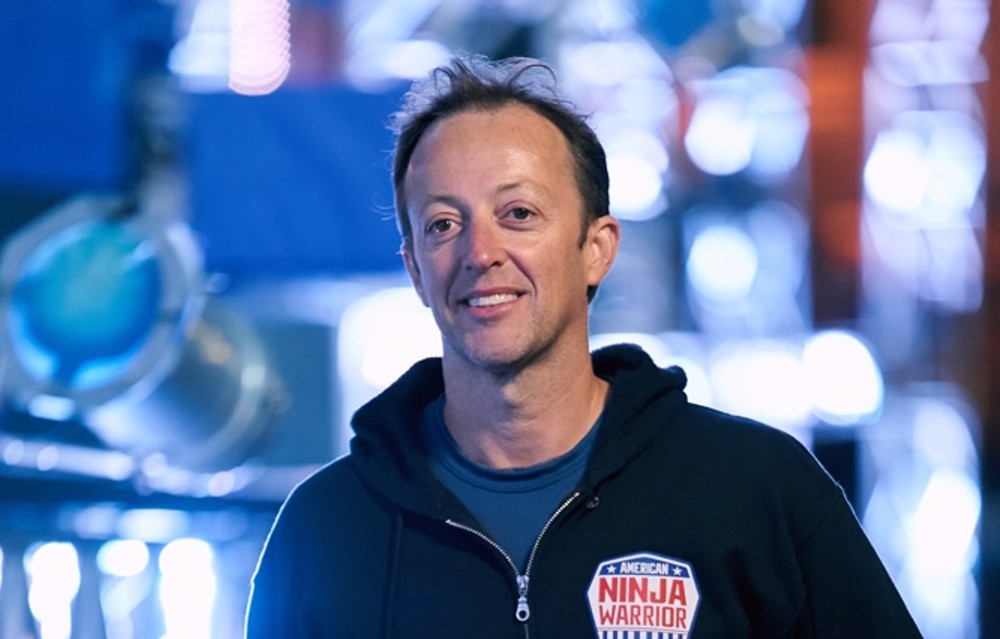
Adam Biggs is a director of photography and lighting designer with 25 years shooting an eclectic mix of features, TV series, commercials/promos, and unscripted projects, all of which have given Adam a unique arsenal of creative and technical visuals to explore. From national and global shows like Love Is Blind, American Ninja Warrior, Beast Games and Holey Moley to dynamic visual commercials and features, Adam draws on his well-rounded background to create memorable stories in comedy, horror, action and drama.
Plan a Setup Like This
Share your project requirements, and our Sales team will help you create a spec and purchasing plan.
Featured Products